Trees add shade, beauty, and value to a property, but a damaged or unhealthy tree can eventually become a safety concern. Dead branches, internal decay, unstable roots, and storm damage may weaken a tree’s structure and increase the risk of falling limbs or complete failure.
The challenge is knowing when a tree can be saved through pruning or treatment and when removal may be the safer option. Some warning signs are easy to recognize, while others require a closer inspection by an experienced tree care professional.
If you have a large tree near your home, driveway, fence, or other structures, understanding these warning signs can help you address potential hazards before they cause damage. TruCutter Inc. provides tree removal and other tree care services to help property owners manage trees that need professional attention.
1. The Tree Is Completely Dead
A completely dead tree is one of the clearest reasons to consider removal, especially when it stands near a home, road, parking area, or frequently used outdoor space.
Dead trees gradually lose their structural strength. Their branches can become brittle, and the trunk may deteriorate as decay progresses. Without healthy living tissue, the tree can no longer maintain its normal growth and recovery processes.
Common signs of a dead tree include:
- No leaves during the normal growing season.
- Brittle branches that snap easily.
- Extensive bark loss or peeling.
- Dry, lifeless twigs throughout the canopy.
- Visible decay along the trunk.
A dead tree in a remote natural area may not require immediate removal, but one near people or property should be professionally evaluated. Removing a hazardous dead tree can help reduce the risk of falling branches and other damage.
2. Large Branches Are Dead or Breaking
A tree does not have to be completely dead to present a safety concern. Large dead branches can fall even when the rest of the tree appears healthy.
These branches may hang loosely in the canopy or remain attached after breaking during a storm. They can be difficult to notice from the ground, particularly when surrounded by healthy leaves.
Watch for branches with no foliage, cracked wood, peeling bark, or sections that appear to be hanging at unusual angles.
In some situations, professional tree trimming can remove hazardous branches while preserving the rest of the tree. However, extensive canopy damage or multiple major dead limbs may indicate a more serious structural problem.
3. The Tree Has a Sudden or Increasing Lean
Some trees naturally grow at an angle without being unstable. However, a tree that recently begins leaning or develops a noticeable change in its position deserves immediate attention.
A sudden lean can indicate that the root system has weakened or that the tree has shifted in the soil. This may happen after heavy winds, prolonged rainfall, soil erosion, or root damage.
Look for additional warning signs around the base, including:
- Soil lifting on one side of the trunk.
- Cracks or separations in the ground.
- Exposed or broken roots.
- A noticeable change in the trunk’s position.
- Fresh damage around the root area.
A leaning tree with signs of root movement can be particularly dangerous. Keep people away from the area and arrange a professional assessment rather than attempting to stabilize or cut the tree yourself.
4. The Trunk Has Large Cracks or Splits
The trunk provides the main structural support for a tree. Large cracks or splits can weaken its ability to support the weight of the branches and canopy.
Some cracks develop after storms, while others result from internal decay, structural weaknesses, or damage over time. A split near the point where two major stems meet can also indicate a weak connection.
Pay attention to:
- Deep vertical cracks along the trunk.
- Splits extending through major sections of wood.
- Separation where two large stems connect.
- Cracks that appear to be growing.
- Fresh wood damage after a storm.
Small surface wounds do not automatically mean a tree needs removal. However, significant trunk splits require professional evaluation because they may indicate a serious structural defect.
5. There Are Signs of Internal Rot or Decay
A tree can appear healthy from the outside while experiencing significant decay inside its trunk or major branches.
Fungi, moisture, and certain types of damage can contribute to wood deterioration. As decay progresses, the affected area may lose strength and become less capable of supporting the tree.
Possible warning signs include mushrooms or fungal growth on the trunk, hollow openings, soft or deteriorating wood, and large areas of missing bark.
Fungal growth near the base can also indicate possible root or trunk decay. However, not every mushroom growing near a tree means the tree is unsafe. The location and type of growth matter.
A professional inspection can help determine whether the decay is limited or has affected important structural areas. Depending on the findings, the tree may need treatment, pruning, closer monitoring, or removal.
6. The Roots Are Damaged or Exposed
Healthy roots help anchor a tree and provide the water and nutrients it needs. When major roots are damaged, the tree may become unstable even if the trunk and canopy still look healthy.
Root damage can occur during excavation, landscaping, construction, soil grading, or trenching for underground utilities. Soil erosion and prolonged waterlogging can also affect root health.
Warning signs may include exposed structural roots, damaged roots near the trunk, soil movement, fungal growth around the root collar, or a sudden change in the tree’s stability.
Because much of a tree’s root system is underground, problems can be difficult to identify without professional assessment. Severe root damage may make removal necessary, particularly when the tree could fall onto nearby structures or occupied areas.
7. The Tree Has Extensive Storm Damage
Severe weather can cause significant damage to trees. Strong winds, heavy rain, and lightning may break large limbs, split trunks, or weaken the root system.
Some trees recover after losing smaller branches, while others suffer structural damage that makes them unsafe to keep.
After a storm, look for:
- Major branches hanging from the canopy.
- Large sections of the trunk that have split.
- Broken or exposed structural roots.
- A newly leaning trunk.
- Severe damage to the main stem.
- Large sections of the canopy missing.
Not every storm-damaged tree needs to be removed. Some can recover through proper pruning and follow-up care. However, a tree with extensive structural damage may need complete removal to protect people and property.
Never climb or cut a storm-damaged tree yourself. Damaged branches and trunks can shift unexpectedly under pressure.
8. The Tree Has a Serious Disease or Pest Problem
Diseases and insect infestations can weaken trees over time. Depending on the species and the severity of the problem, some trees can recover with appropriate treatment, while others may decline beyond recovery.
Watch for unusual leaf discoloration, widespread branch dieback, damaged bark, holes in the trunk, sawdust-like material, or visible fungal growth.
Some pests attack weakened trees, while certain diseases can affect important parts of the trunk, roots, or canopy. The presence of insects or a small amount of leaf damage does not automatically mean removal is necessary.
A tree care professional can help determine the extent of the damage and whether treatment or pruning may preserve the tree. If the tree is severely weakened and poses a safety risk, removal may be the more appropriate option.
9. The Tree Is Too Close to Your Home or Other Structures
A tree growing near a building is not automatically dangerous. Many trees can grow close to homes without causing problems when their size, root development, and location are appropriate.
However, a large tree with extensive branches, unstable roots, or structural defects may create risks for nearby structures.
Potential concerns include:
- Large branches extending over the roof.
- Limbs hanging above driveways or walkways.
- Roots affecting nearby hardscape or structures.
- Branches interfering with utility lines.
- A weakened trunk positioned close to the home.
In some cases, professional trimming can create suitable clearance. In others, removal may be necessary because the tree’s condition or location creates an unacceptable risk.
Trees growing near power lines require special care. Never attempt to cut branches or remove trees near energized lines yourself. Contact the appropriate utility provider and qualified professionals.
10. The Tree Keeps Losing Large Limbs
Occasional small branch loss can happen naturally, especially during seasonal changes or after storms. However, repeated loss of large limbs may indicate declining health or structural weakness.
If a tree regularly drops substantial branches without strong winds, it deserves a closer inspection. Possible causes include internal decay, weak branch connections, disease, root problems, or poor structural development.
Repeated branch failure can make the tree dangerous even if the trunk remains standing.
Professional tree trimming may correct some problems by removing weak or damaged limbs. If the underlying issue affects the trunk or overall structure, complete removal may be recommended.
Should You Remove a Tree or Consider Professional Trimming?
Not every unhealthy-looking tree needs to be removed. In many cases, professional pruning can address dead branches, improve clearance, and reduce certain structural concerns while preserving the tree.
The decision depends on the tree’s overall condition, the location of its defects, its stability, and what could be damaged if it fails.
| Tree condition | Possible professional solution |
|---|---|
| A few dead or damaged branches | Tree trimming |
| Branches interfering with structures | Selective pruning |
| Limited disease or pest damage | Appropriate treatment and monitoring |
| Major trunk cracks or severe decay | Professional risk assessment; removal may be necessary |
| Sudden lean with root movement | Urgent professional assessment |
| Completely dead tree near occupied areas | Tree removal may be recommended |
A qualified tree care professional should evaluate serious concerns before a final decision is made. Preserving a tree is often possible, but safety should remain the priority.
Why Professional Tree Removal Matters
Removing a large tree involves more than cutting through its trunk. Its size, weight, condition, surrounding structures, and nearby obstacles all affect how the work should be completed.
Professional tree removal requires proper equipment, careful planning, and controlled cutting techniques. Trees with extensive damage may be especially unpredictable because weakened sections can break or shift during the process.
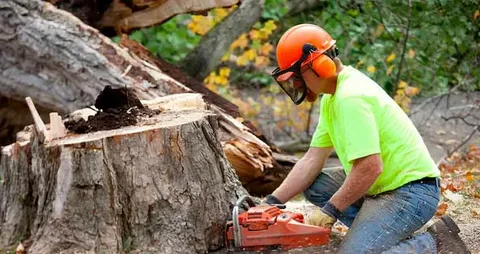
TruCutter Inc. provides tree removal services along with tree trimming and pruning, emergency tree service, stump grinding, and land clearing. Having access to these services can help property owners address different tree care needs, whether they are dealing with a hazardous tree, damaged branches, or remaining stumps after removal.
Before starting a project, discuss the tree’s condition, surrounding obstacles, access to the work area, and the removal process with the tree care team.
Final Thoughts
A dead tree, large trunk cracks, root damage, sudden leaning, extensive decay, and repeated branch failure are all warning signs that deserve attention. These problems can affect a tree’s stability and increase the risk of damage to nearby people and property.
However, removal is not always the only solution. Some trees can be preserved through professional trimming, treatment, or ongoing monitoring.
If you notice serious warning signs, arrange a professional assessment before the condition becomes more dangerous. TruCutter Inc. can help property owners address tree removal and other tree care needs with attention to the condition of the tree and the surrounding property.